La perla peregrina
July 23, 2026 – March 23, 2027
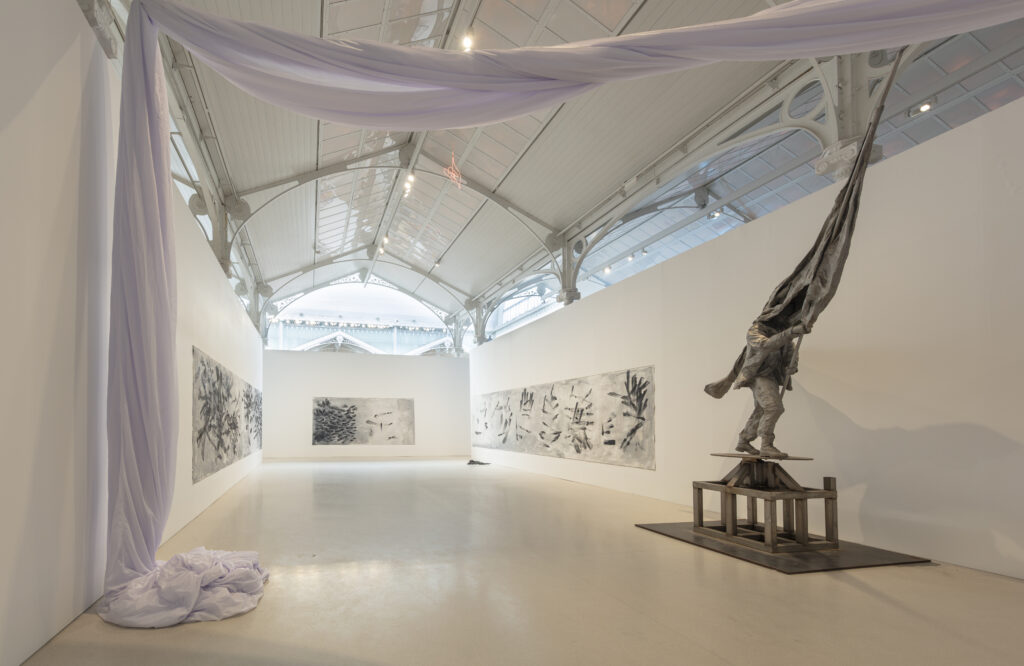
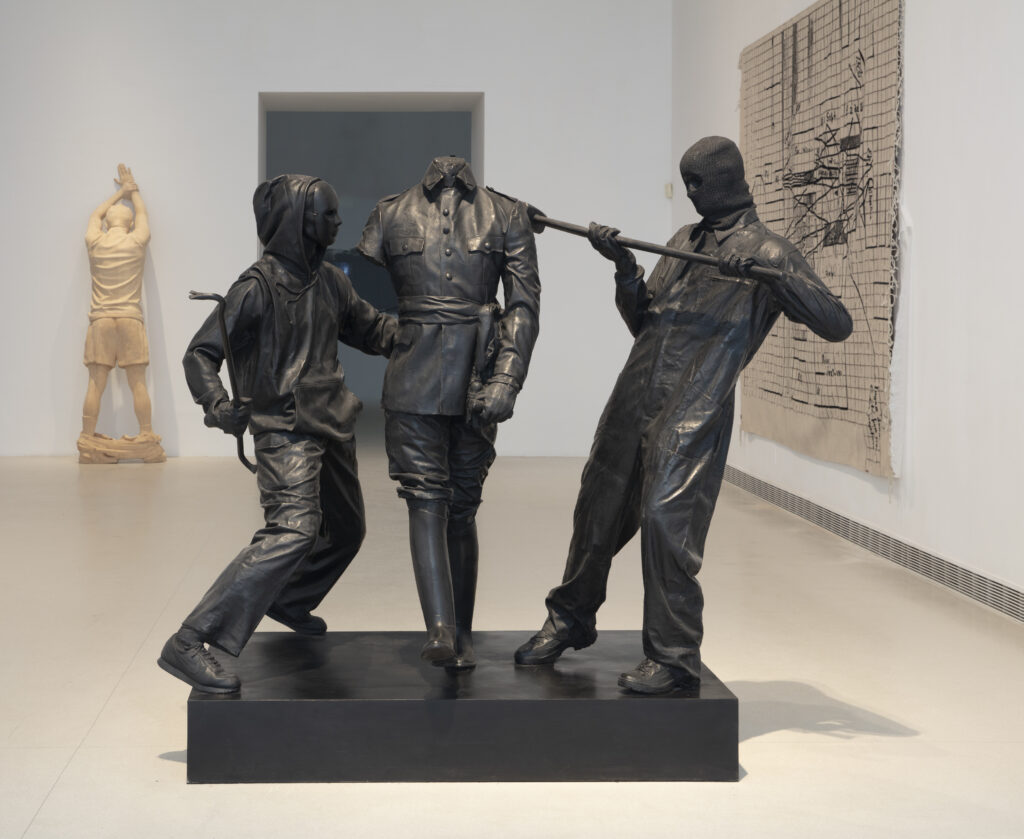
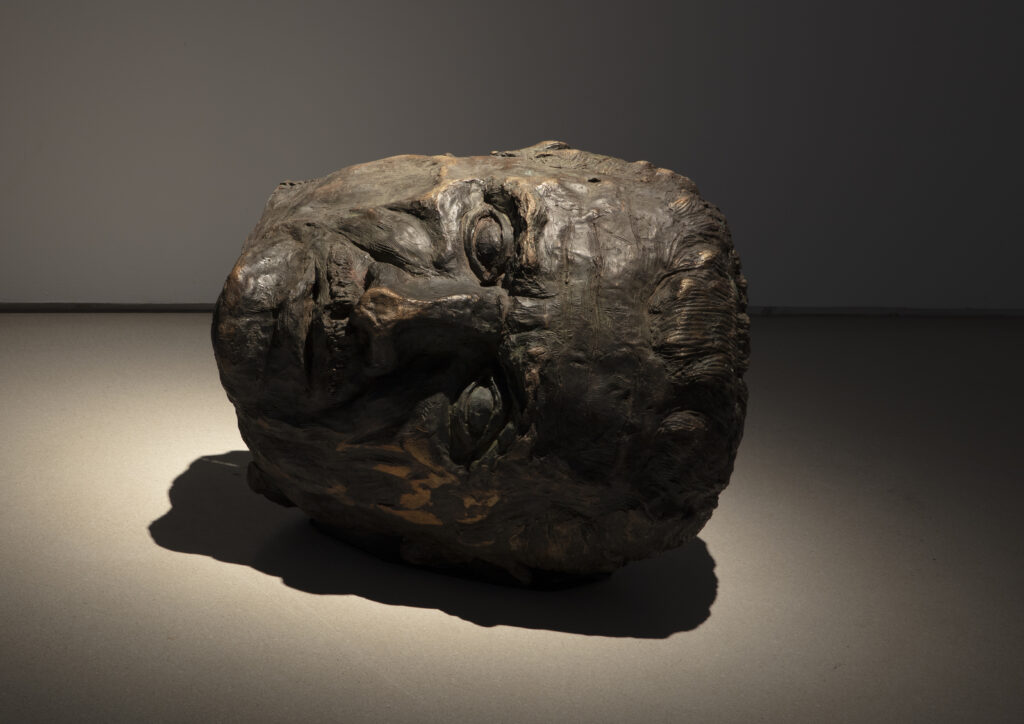
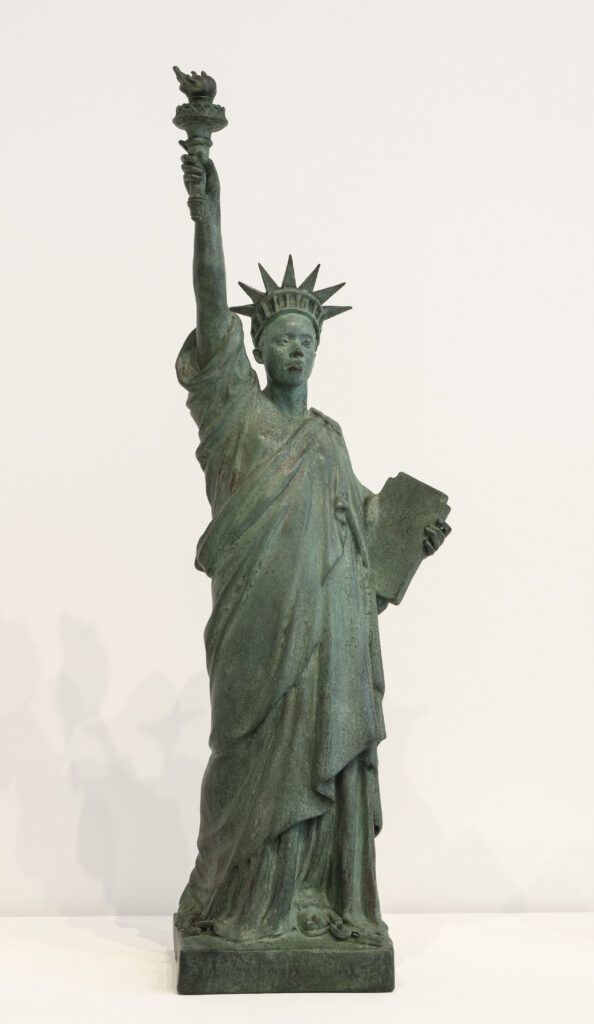
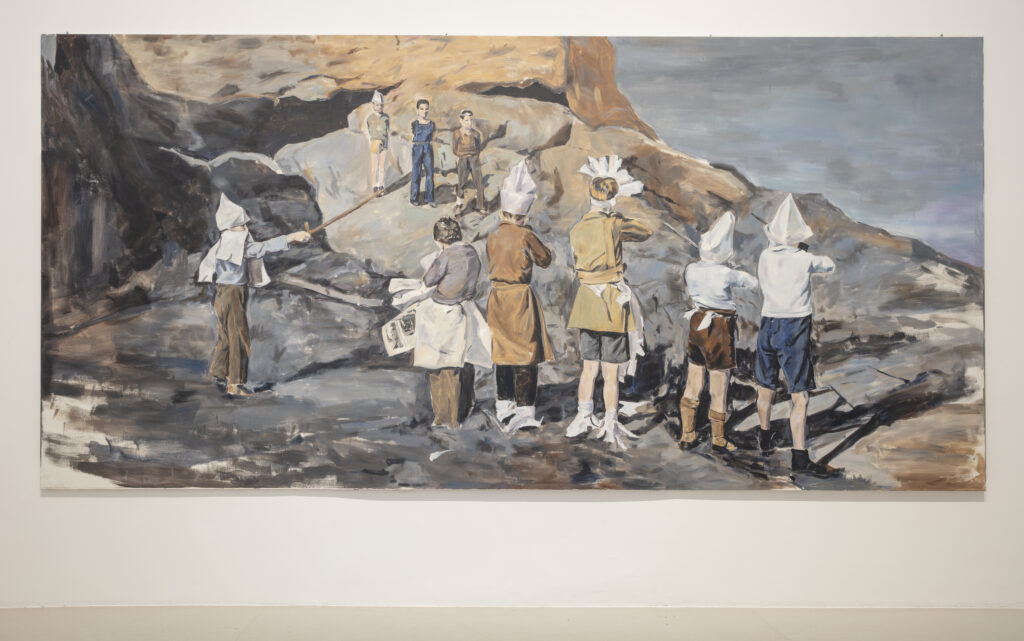
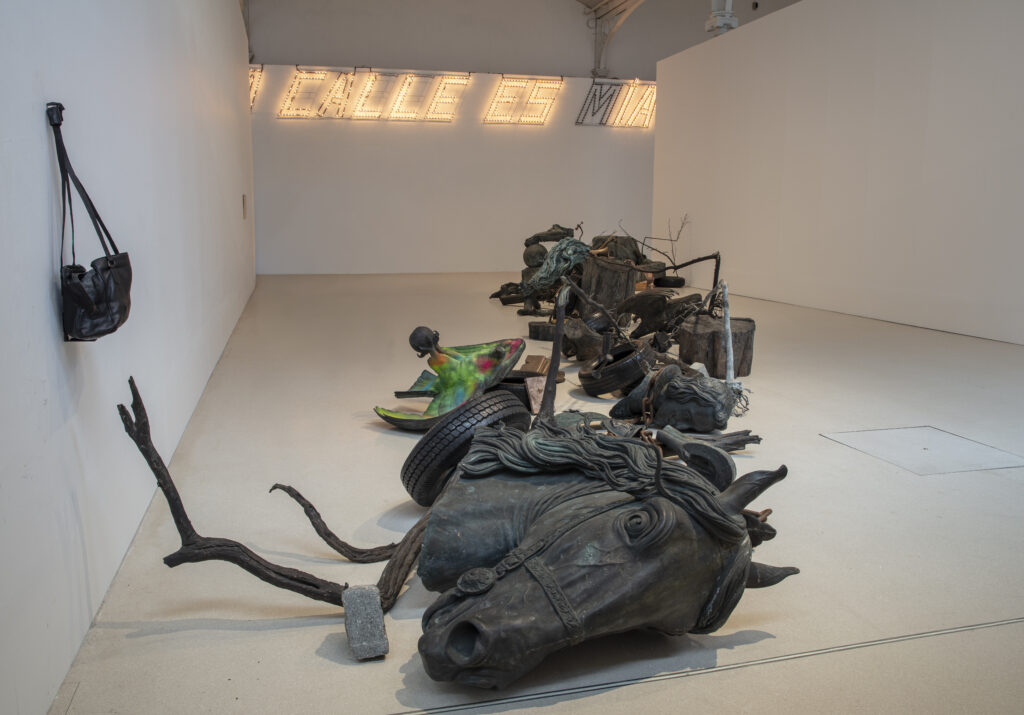
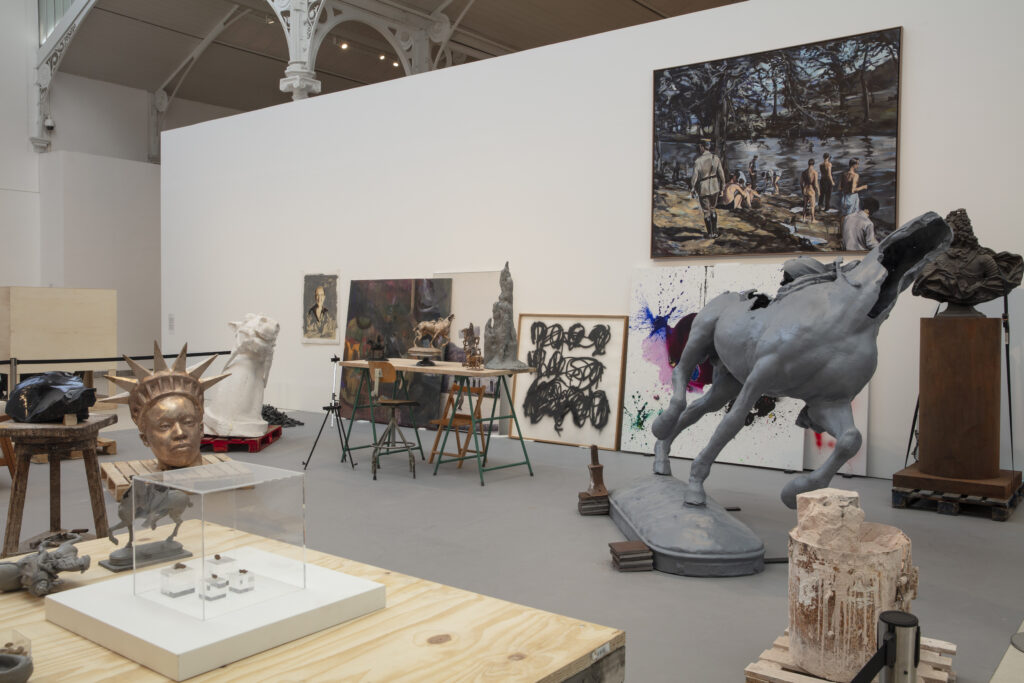
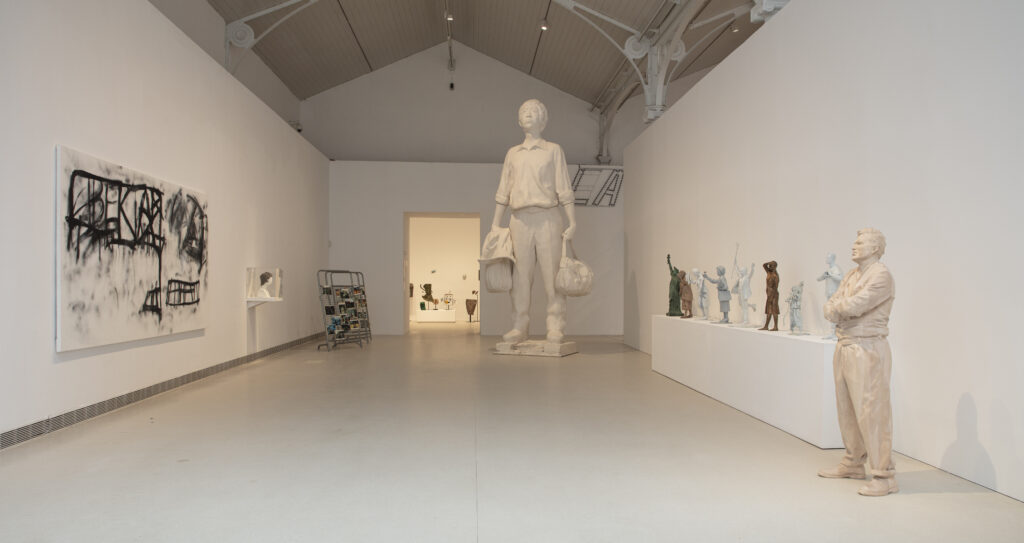
Fernando Sánchez Castillo (Madrid, 1970) argues that “art is a force that shakes the narratives of the State.” Based on this idea, he intervenes in the ways power is represented, dismantling its symbols and revealing the fragility of the narratives that sustain it. Primarily through sculpture, he strips this iconography of its solemnity, revealing its constructed, precarious, and profoundly contested nature. By analyzing monuments, images, gestures, and legends, he demonstrates that history is not a stable narrative, but rather a field of permanent conflict that also affects the present. His work, and his installation in this exhibition, act as a critical device that intervenes in the imaginaries from which power constructs its authority, inviting the public to question the reasons for its order and its contradictions.
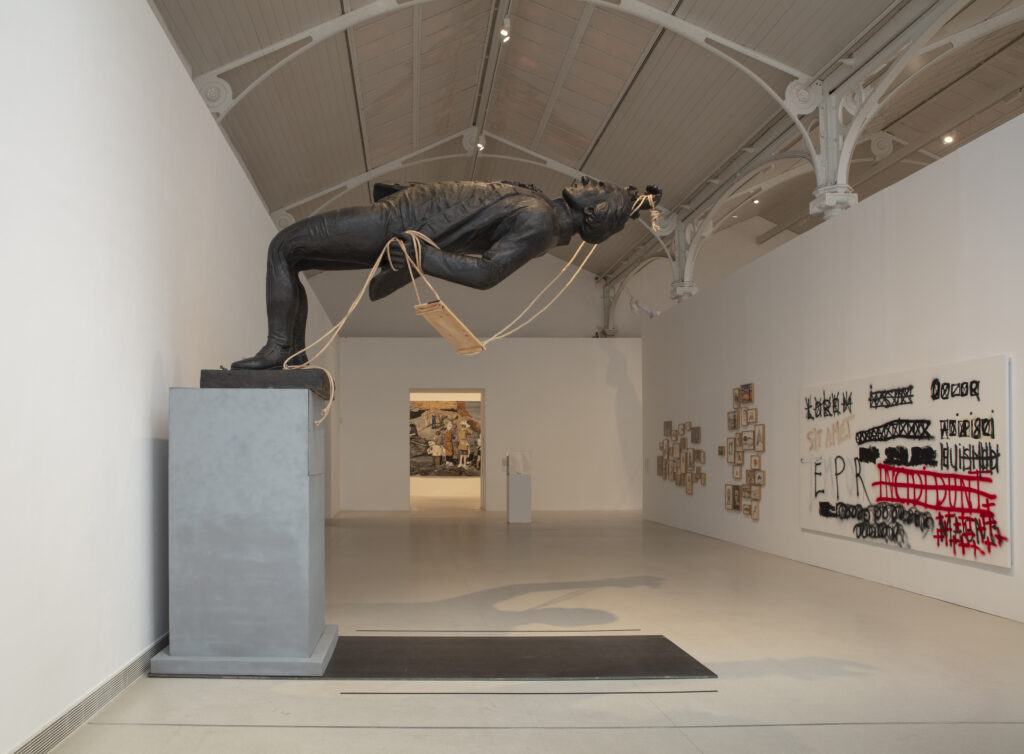
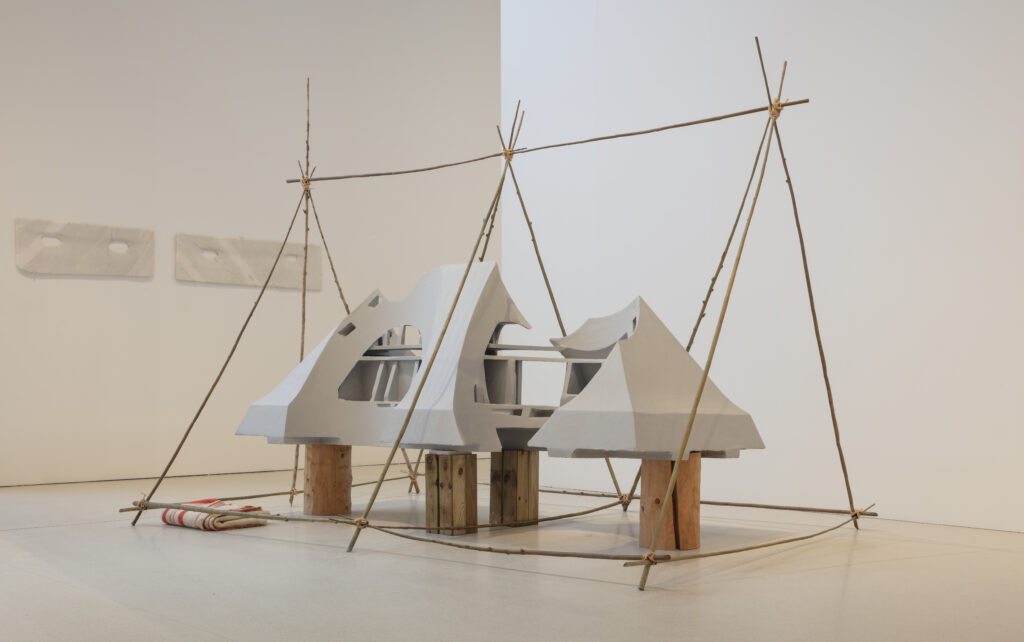
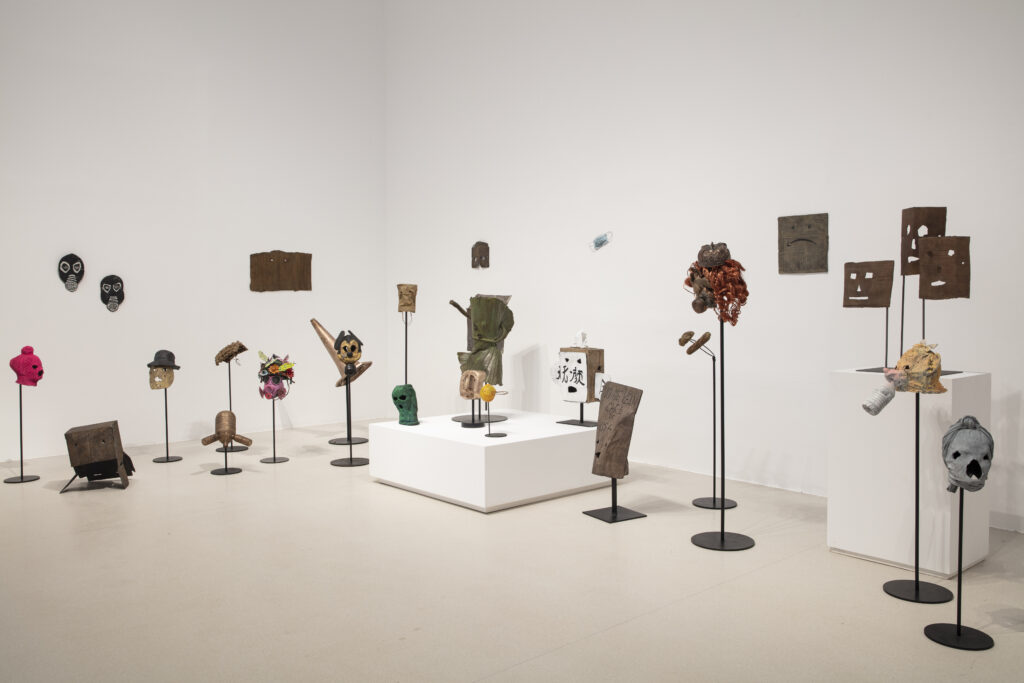
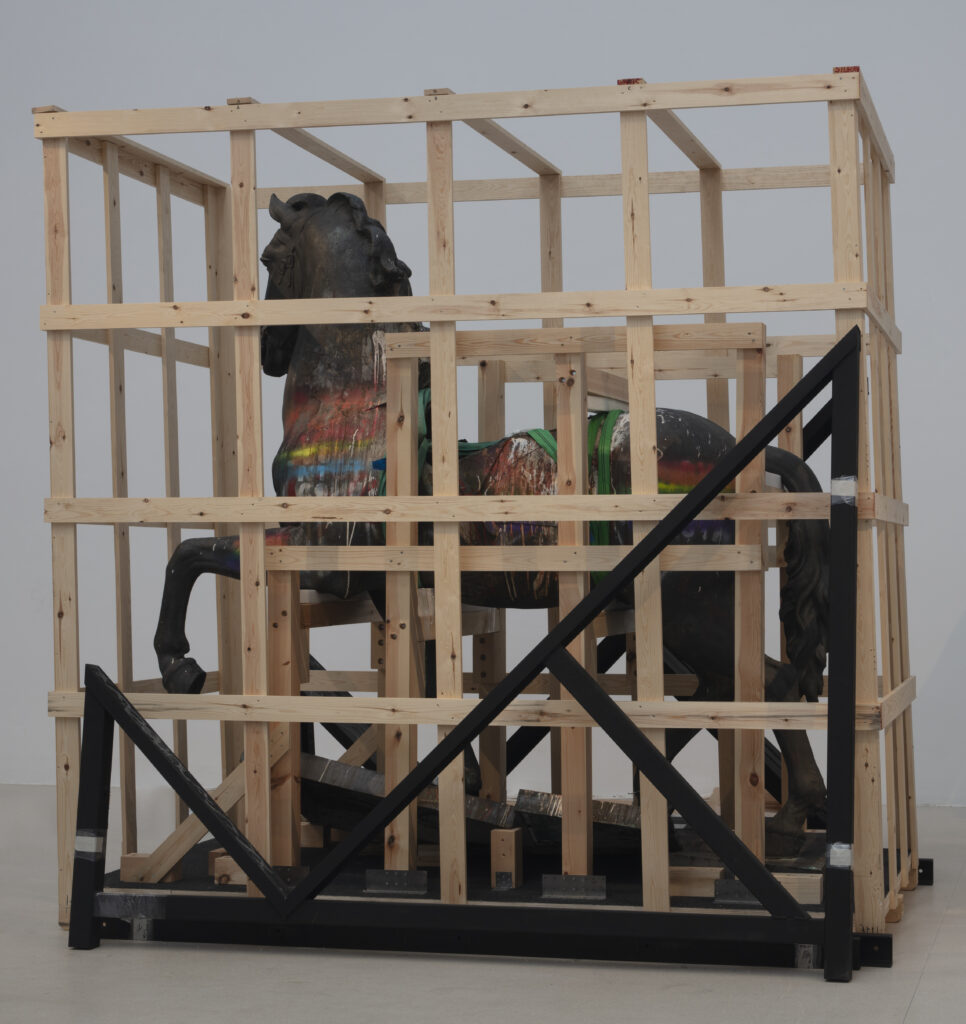
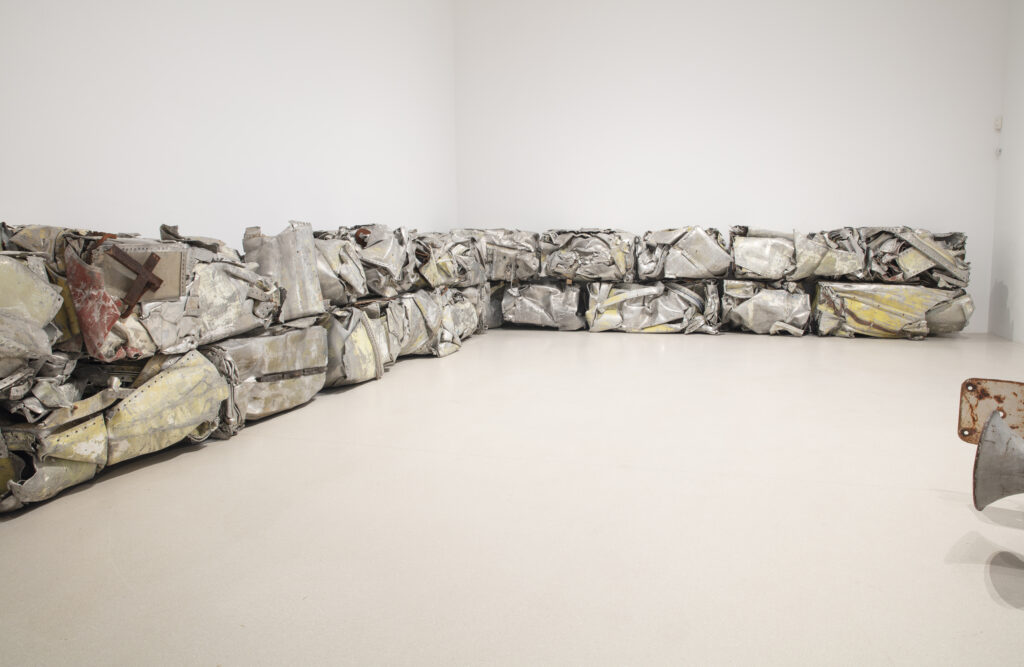
The artist works with the remnants of history, modifying materials, scales, and uses to subvert our relationship with them and activate new layers of meaning. A monumental sculpture becomes a swing; robots transform into tools of abstraction; two riot control vehicles perform a pas de deux . By altering their original functions, these pieces question accepted notions of normality and reveal the extent to which many expressions of authority, obedience, and representation are presented as natural. At the same time, they engage in dialogue with key moments in art history, from the Baroque to the avant-garde, minimalism, and conceptual art.
The exhibition “La Peregrina” (The Pilgrim Pearl) takes its title from the celebrated jewel whose history encapsulates a close relationship between singularity, value, and authority. The Peregrina Pearl was found in Panama in the 16th century. Some legends tell of the slave who found it, using it to buy his partner’s freedom, and who died from the effort. Its large size and irregular, rare, and exceptional shape gave rise to its name. Shortly afterward, it arrived at the court of Philip II and, from then on, remained linked to the circles of power, almost as a symbol of dynastic authority. Velázquez and his workshop depicted it on the hat of Philip III and at the waist of Isabella of Bourbon, sometimes alongside the Estanque, a diamond of exceptional beauty. After almost three centuries kept at the court of Madrid, Joseph Bonaparte took it out of Spain, beginning a journey as turbulent as contemporary history itself. It passed from hand to hand and its trail was lost until, in 1969, Richard Burton acquired a pearl considered to be La Peregrina at auction to give to Elizabeth Taylor. After another auction in 2011, it disappeared again.
Pearls are born from an intrusion. A foreign body, often minuscule, penetrates the interior of a mollusk and disrupts its equilibrium. In response, the organism coats it with successive layers of nacre, transforming an initial aggression into a unique form. Every pearl is, therefore, the result of a negotiation between damage and form, between violence and beauty. History operates in a similar way. Every foundational violence generates layers of narratives, images, and ceremonies that allow us to move forward without directly confronting the wound. Art, like the work of Sánchez Castillo and like the pearls themselves, does not eliminate trauma or dissolve it into tradition, but rather isolates it, transforms it, and returns it in an unexpected and singular form.