Héroes Arcaicos
June 4 – August 29, 2026
Héroes Arcaicos brings together a selection of recent works on paper by Marco A. Castillo, alongside the video Generation, forming a reflection on the persistence of the visual and ideological imaginaries that accompanied the construction of the Cuban revolutionary utopia.
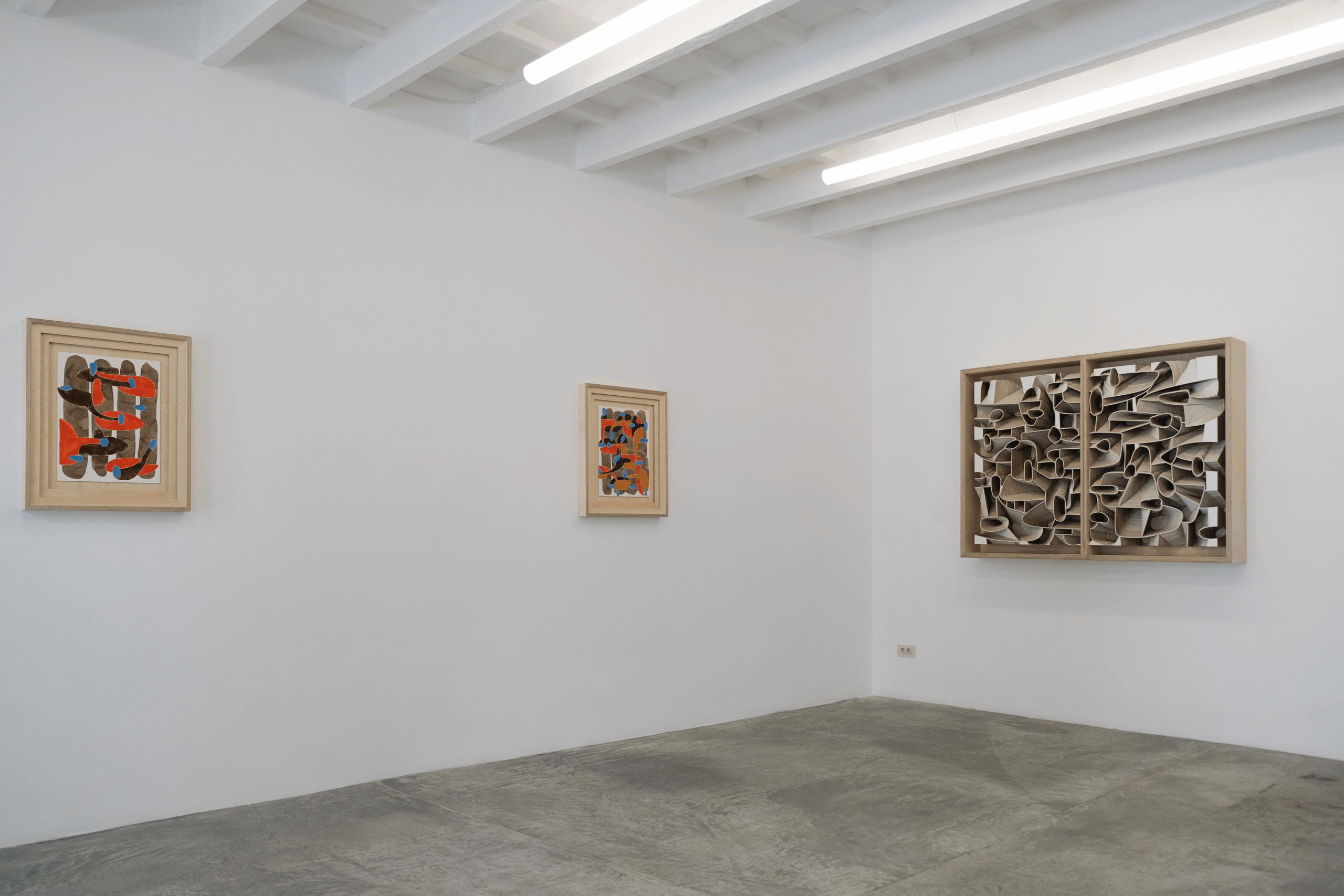
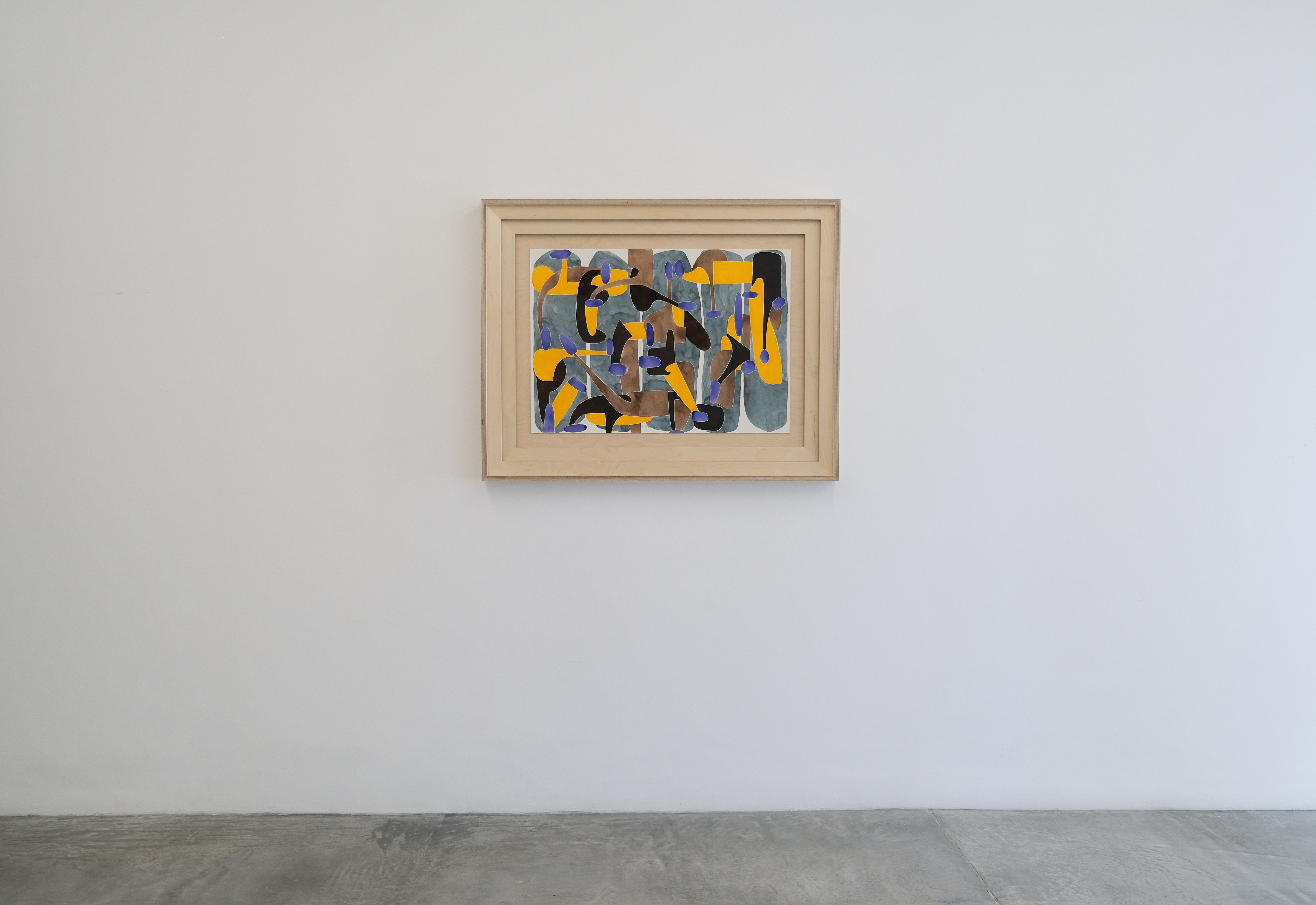
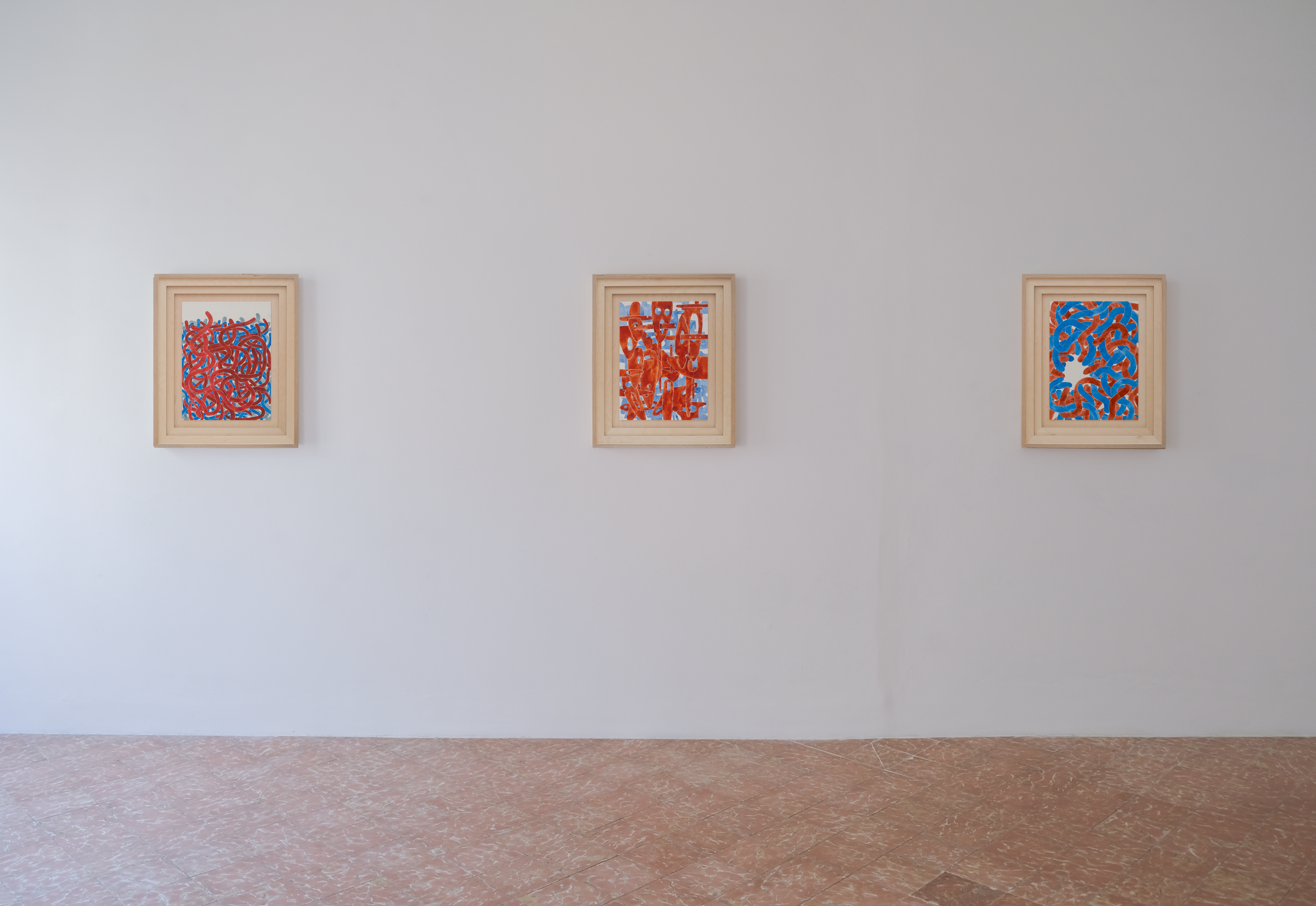
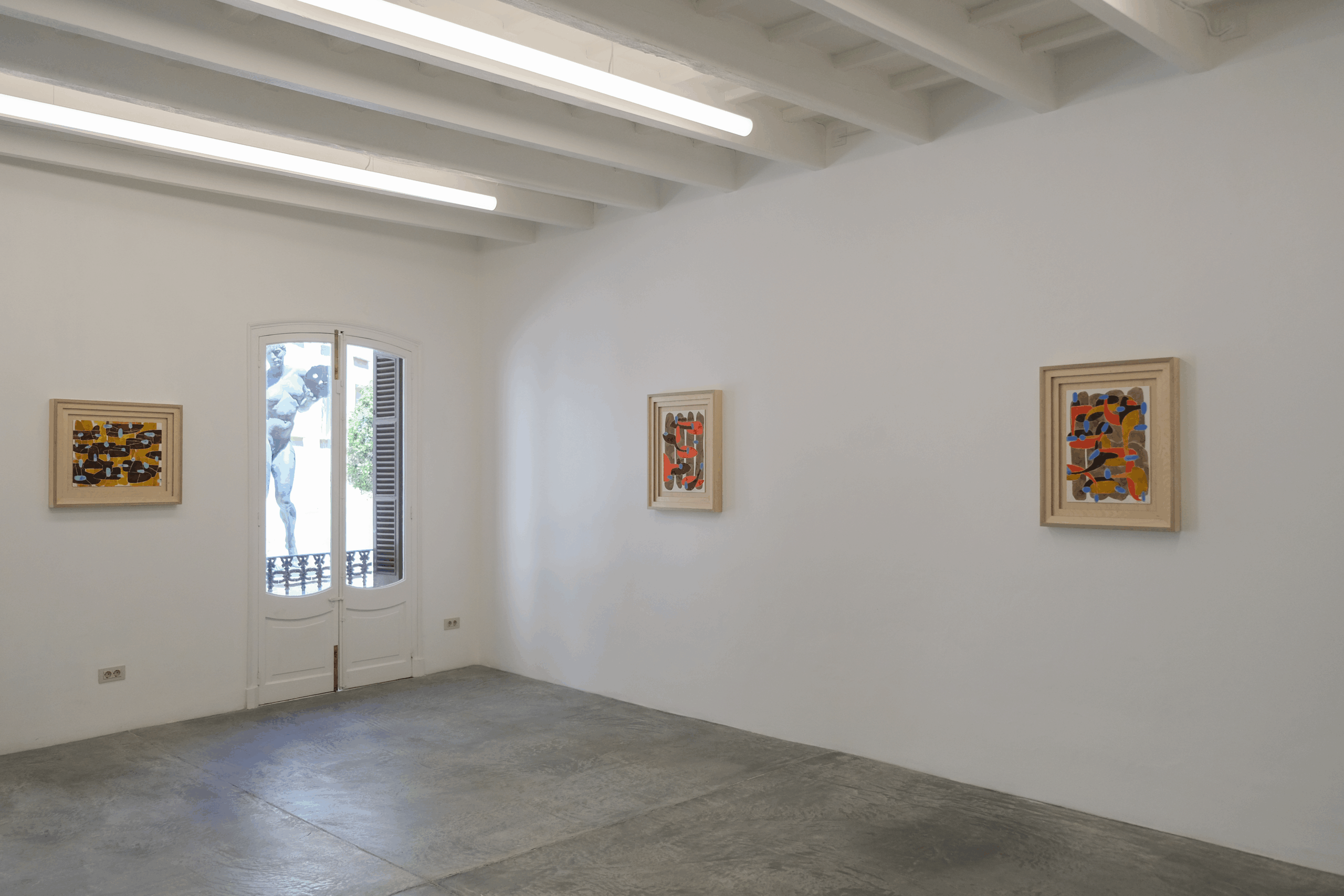
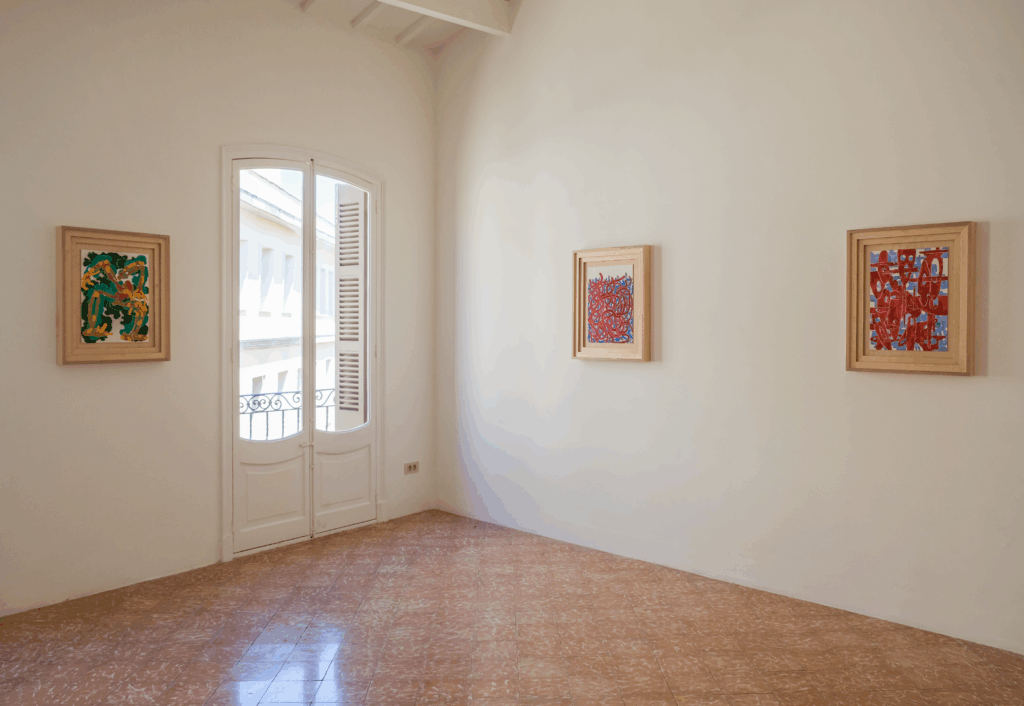
The exhibition places particular emphasis on drawing, a medium that has gained increasing prominence within the artist’s practice in recent years. Initially conceived as a research tool, these works emerged from an attempt to approach the figure of the Cuban designer of the 1960s and 1970s, a generation that actively participated in shaping the aesthetic language of the Revolution. Over time, these explorations moved beyond their auxiliary role and developed into an autonomous body of work. The exhibition underscores this importance through a display system specially conceived for the drawings, including frames designed specifically to integrate with the exhibition’s conceptual universe.
Among the works presented, A los Héroes (To the Heroes) stands out as a series of drawings revisiting the tradition of the revolutionary heroic portrait through a deliberately aberrant reinterpretation of the Pop imagery of Raúl Martínez. While Martínez’s work contributed to consolidating the iconography of the Revolution’s new heroes, Castillo shifts these images into an ambiguous territory where celebration becomes visual archaeology. The heroes remain present, yet they appear marked by the historical erosion of the ideas that produced them.
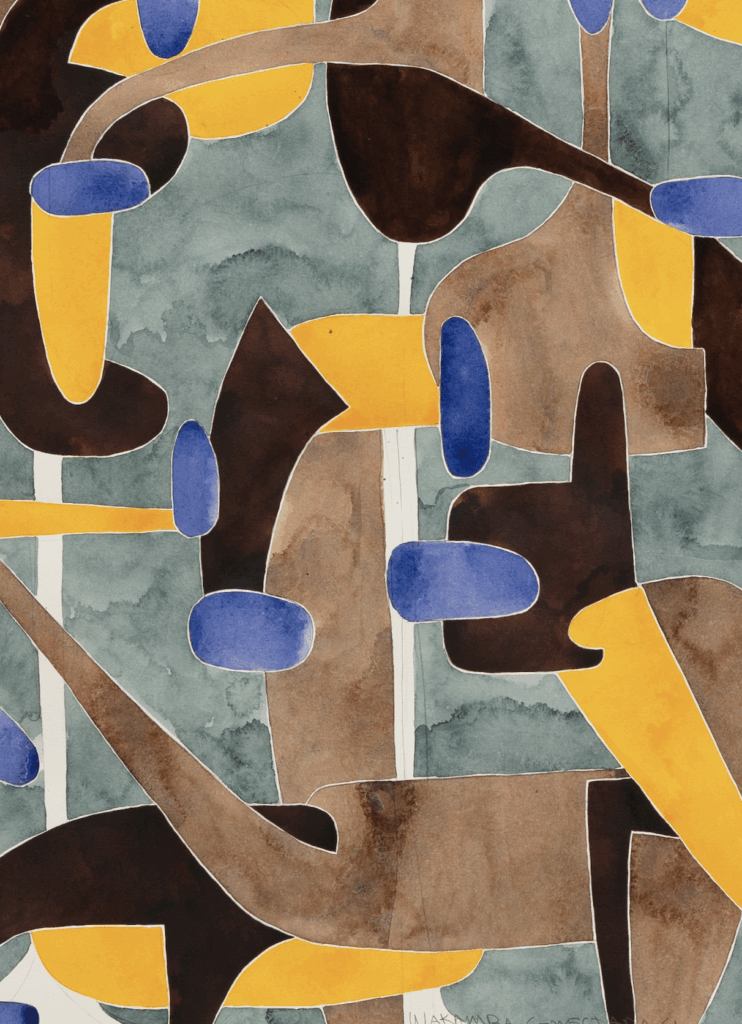
Alongside these works, the exhibition presents several groups of drawings and bas-reliefs from the Petaloides and Wakamba series. Both bodies of work explore visual references associated with pre-Columbian, Paleolithic, Indigenous, and Afro-Cuban imaginaries—elements that frequently appeared within the cultural languages promoted during the construction of Latin American national identities throughout the twentieth century. Rather than approaching these references from an ethnographic or documentary perspective, Castillo employs them as fragments of an inherited formal vocabulary, revealing how certain images were mobilized to sustain political narratives, collective ideals, and notions of cultural belonging.
A second line of inquiry is developed through a series of bas-reliefs derived from a long-term investigation into Cuban political graphics of the 1960s and 1970s. These works emerge from a process of radical transformation applied to the propagandistic poster. Preserving only some of its essential elements—the paper, the scale, and traces of its visual language—Castillo removes texts, slogans, and images in order to focus on the materiality of the medium itself. Through the superimposition of hundreds of hand-cut layers, the poster loses its original function as a tool of persuasion and control, becoming instead a three-dimensional object of contemplation. What once operated as an instrument of political conviction is transformed into an abstract structure in which the message has disappeared and only its physical trace remains.
The exhibition finds a counterpoint in Generation, a video produced as part of the project La Casa del Decorador. Filmed in a modernist house designed by the Cuban architect Frank Martínez, the work presents a group of young artists repeatedly ascending to the rooftop in order to enact a symbolic collective suicide. Conceived as a reflection on the cycles of emergence and disappearance that characterize cultural avant-gardes in Cuba, the piece offers a powerful metaphor for the relationship between idealism, sacrifice, and failure within large-scale projects of social transformation.
Through these different bodies of work, Héroes Arcaicos explores the survival of a vast ideological echo chamber whose reverberations continue to shape contemporary experience. The exhibition examines how certain political ideas—many inherited from European intellectual traditions of the late nineteenth and early twentieth centuries—were imported, adapted, and projected onto a complex and diverse cultural reality. Alongside them arrived new forms of representation, new symbolic systems, and new heroic figures intended to replace earlier mythologies.
The exhibition’s title refers precisely to this temporal condition. The heroes who once embodied the future now belong to the realm of antiquity. The images that promised radical transformation survive as remnants of an aging modernity. Amid ideological ruins, persistent symbols, and inherited forms, Héroes Arcaicos reflects on the moment when utopia begins to turn into archaeology.